1840
Born in Paris
The Beginning of a Painter’s Life
Claude Monet is born in Paris.
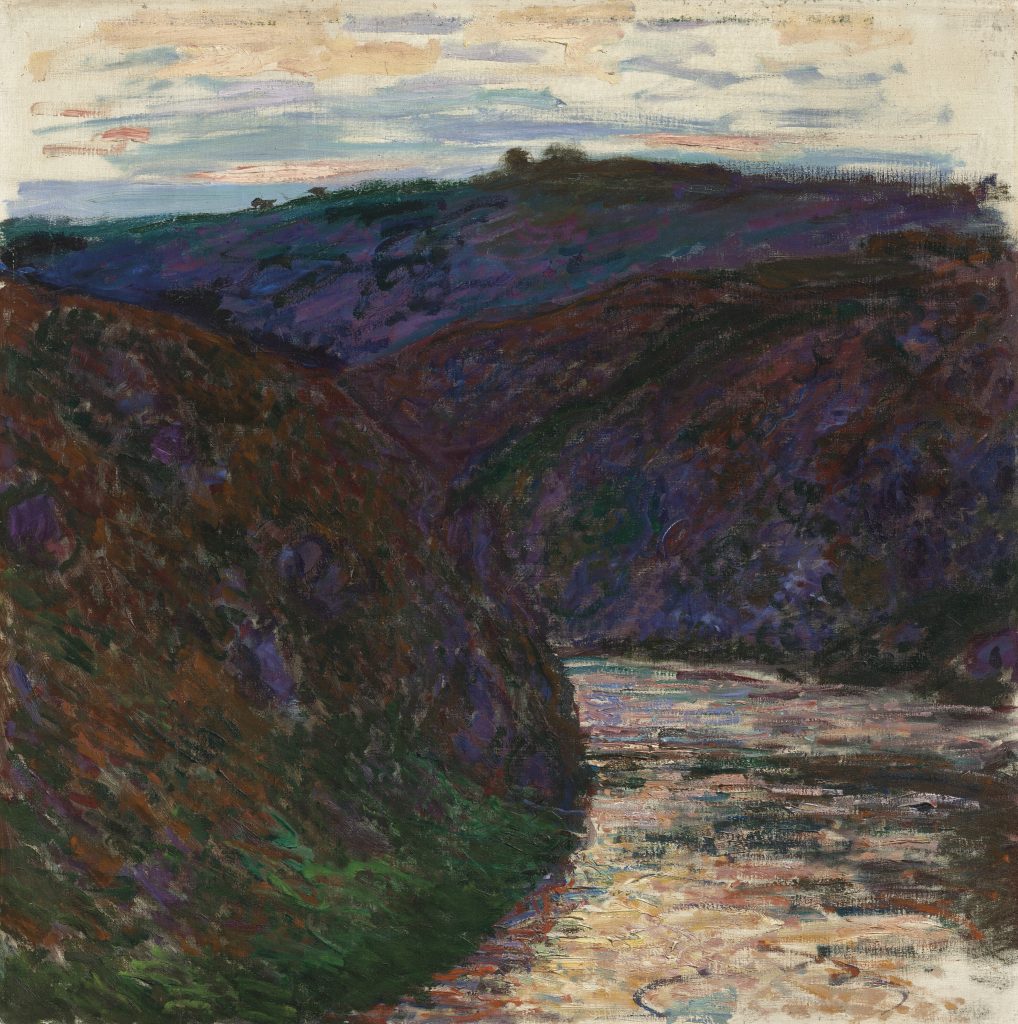
Ravin de la Creuse (W 1227) · 1889
A landscape. A series.
A fitting finale.
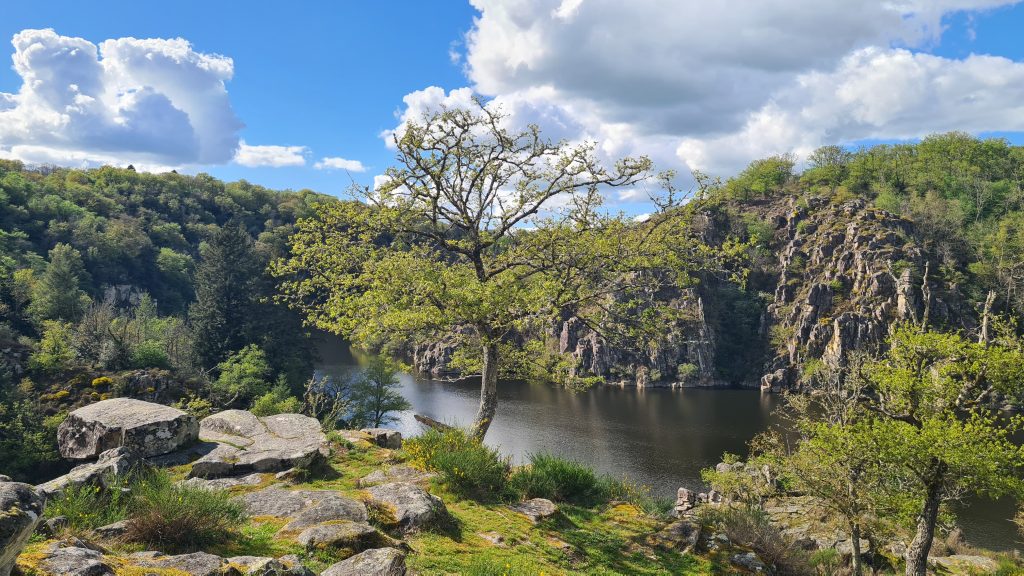
In the spring of 1889, Claude Monet travelled from Giverny to the Creuse Valley. What was initially intended as a short stay developed into an intense artistic exploration of the landscape around Fresselines. At the invitation of his friend Gustave Geffroy, Monet visited the poet Maurice Rollinat there.
Fresselines lies on the northern edge of the Massif Central, overlooking the Creuse River. Its landscape of rugged hills, vast expanses of sky and slopes covered in heather and gorse left a lasting impression on Monet. The raw yet striking character of the region captivated him so deeply that, after his first stay of around a week, he returned to Giverny to collect his painting materials.
Shortly afterwards, he returned to Fresselines, where he spent around three months working intensively on his landscape paintings.
The Creation of the Series
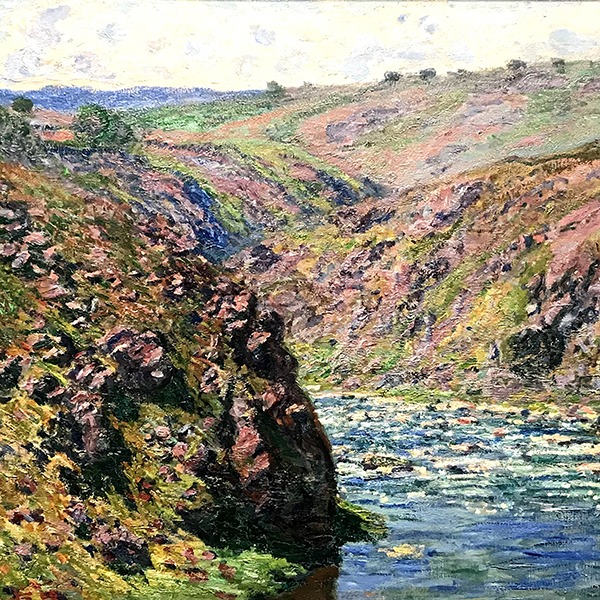
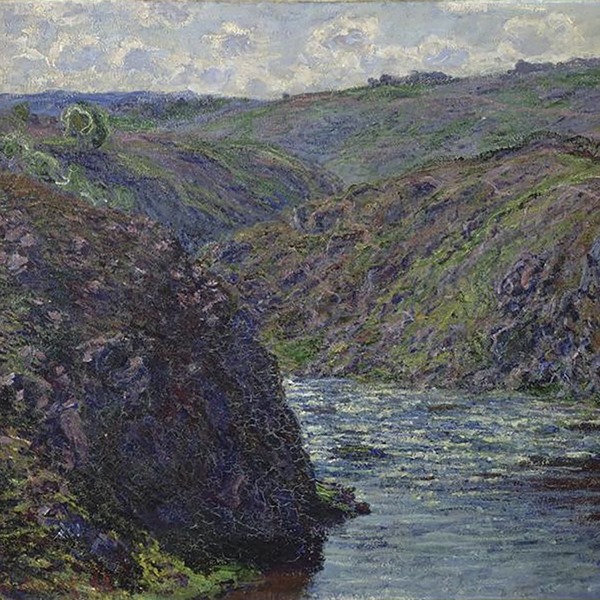
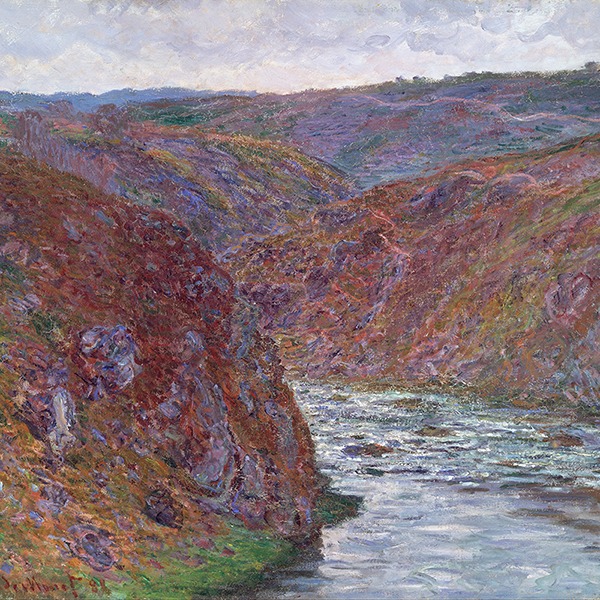
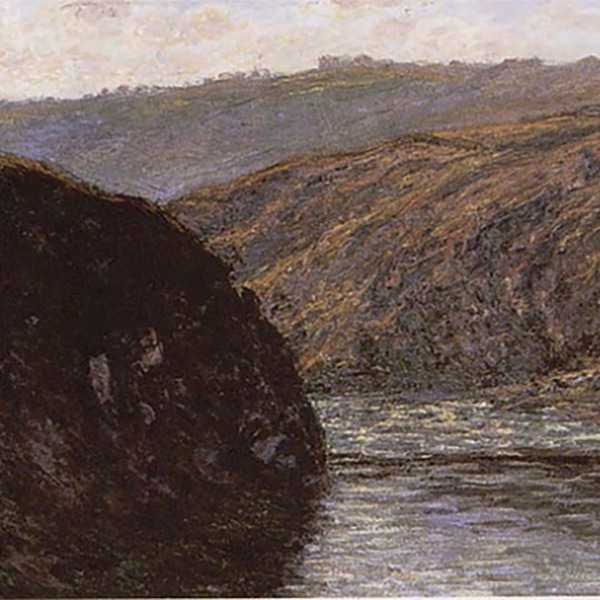
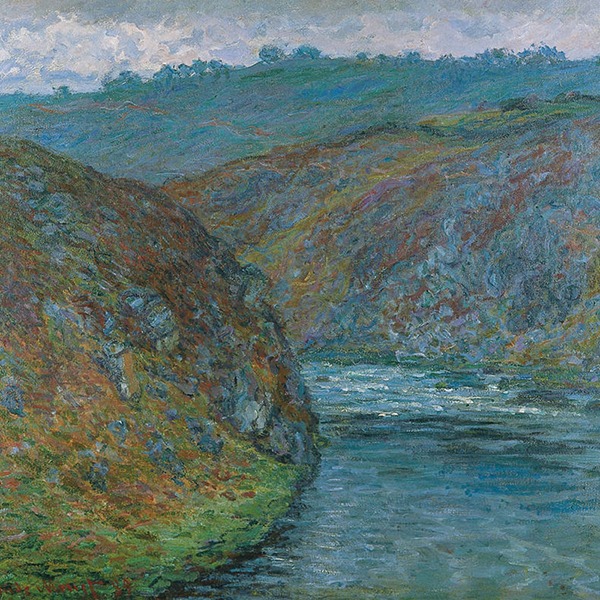
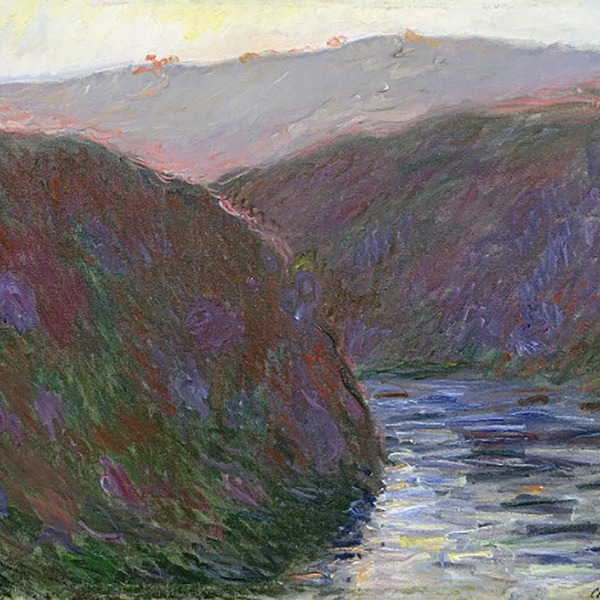
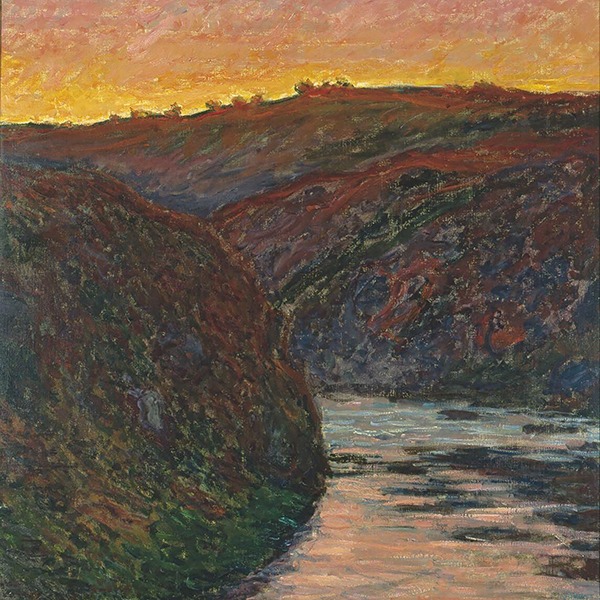
Monet doesn't simply paint the landscape ten times, he observes how it changes. Light, weather, time of day and atmosphere become the true subject of his work. The Creuse thus becomes a testing ground for an approach that would later define his famous series.
W 1219
W 1220
W 1221
W 1223
W 1224
W 1225
W 1226
W 1227
The Grand Finale of the Series
W 1219
W 1220
W 1221
W 1223
W 1224
W 1225
W 1226
W 1227
The Grand Finale of the Series
Ravin de la Creuse • W 1227
During his stay in Fresselines in the spring of 1889, Claude Monet created a total of 24 paintings depicting the landscape along the Creuse. Ten of these works depict almost exactly the same stretch of landscape, which Monet captured at different times of day and in changing light. His intensive exploration of a single subject became an important step towards the series paintings that would later become a hallmark of his work.
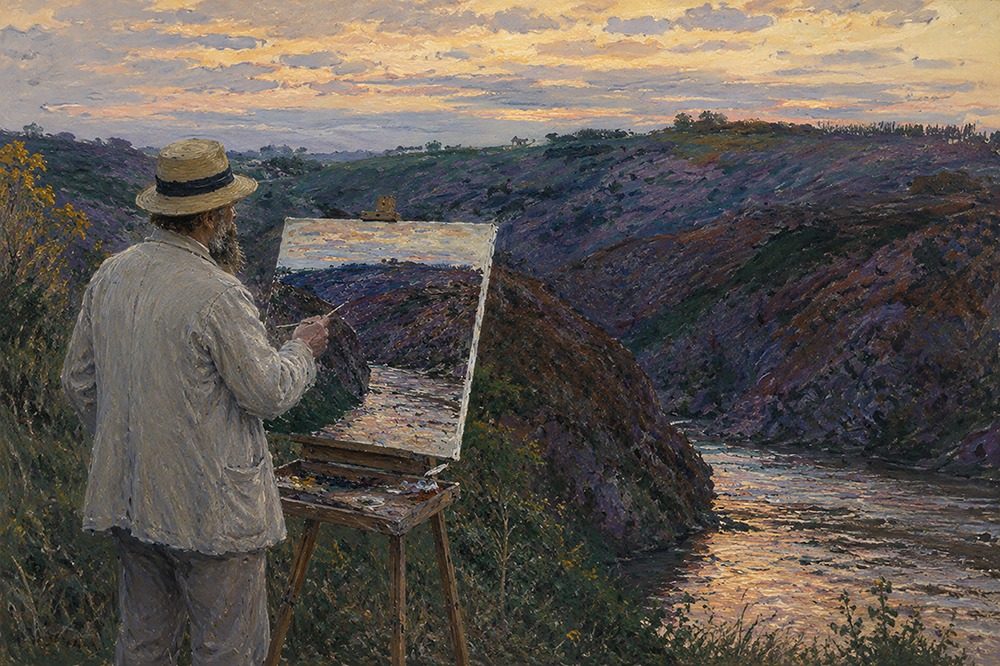
Ravin de la Creuse is one of these ten paintings. Monet chose his vantage point on a hillside above the river, looking out across the landscape surrounding the confluence of the Petite Creuse and Grande Creuse. He captured the distinctive contours of the terrain, with its rocks and steep slopes, and transformed them into a lively, atmospheric painting. Working outdoors was not always easy: the cold and changeable weather made painting considerably more difficult and took a physical toll on Monet. At times, he even worked wearing gloves to protect his hands, which had suffered from the cold.
– Claude Monet
IN MONET’S FOOTSTEPS
The Creuse is a landscape of contrasts, with rivers, gorges, rocky outcrops, forests and ever-changing light. Much has changed since 1889, but the places where Monet painted remain part of the landscape to this day.
Discover the places where Monet found his subjects. Our interactive map features 24 locations, showing the artworks alongside views of the sites today.
A Life Devoted to Changing Light
The Creuse marks an important moment in Monet’s artistic development. Here, he consistently pursued the idea of revisiting the same subject under changing conditions, each time seeing it anew. This approach would later become a central principle of his celebrated series.
Claude Monet is born in Paris.
In Le Havre, Monet developed an early fascination with nature, the sea and light.
Begins His Formal Artistic Training: In Paris, Monet embarks on his career as a professional painter and immerses himself in the world of painting.
Impression, soleil levant Gives the new art movement its name.
Giverny becomes the centre of Monet’s life and later the setting for his famous garden paintings.
In Fresselines, the landscape becomes a testing ground for light, atmosphere and the concept of the series.
Claude Monet dies in Giverny on 5 December.
MUNCH-MUSEUM · OSLO
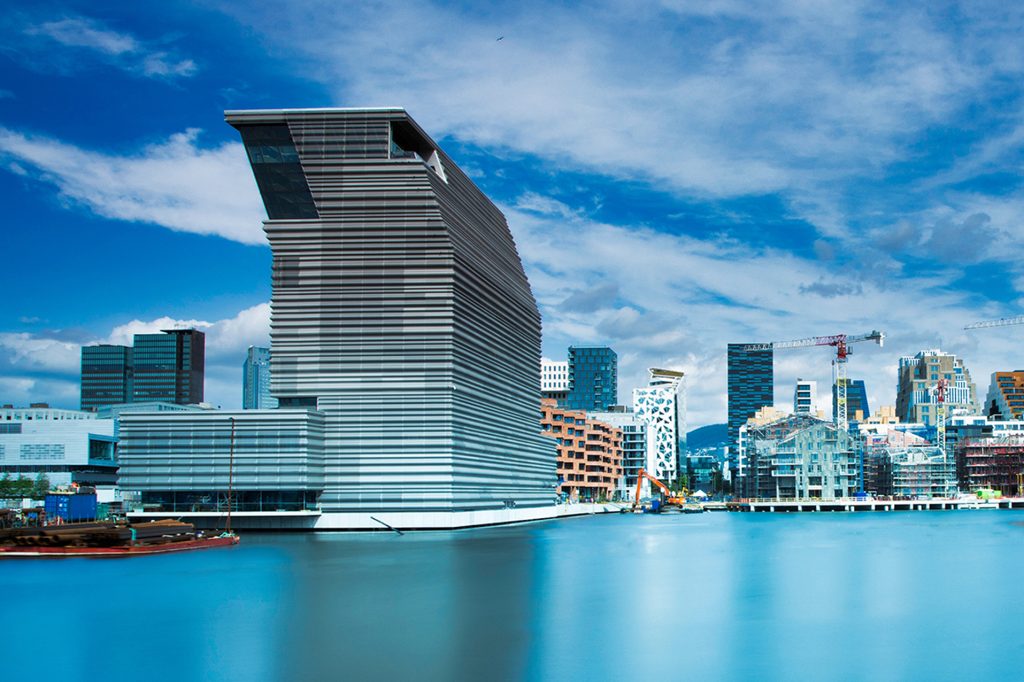
138 years after it was painted, Ravin de la Creuse (W 1227) returns to the international stage.
From 19 February to 23 May 2027 it will be on display at the MUNCH Museum in Oslo. The exhibition places Monet’s works from the Creuse Valley and his exploration of light, landscape and atmosphere within an international context.
The Exhibition “Monet – Wild and Tamed” brings together some of Claude Monet’s most celebrated works and offers a rare insight into the landscape painting of an artist who played a pivotal role in the development of modern art.
With more than 50 works, the exhibition spans the final four decades of Monet’s career. It explores his artistic engagement with a wide variety of landscapes – from the rugged Mediterranean coast and Brittany to the Creuse Valley and the winter landscapes of Norway. These wild natural surroundings are contrasted with the carefully cultivated garden at Giverny, which became Monet’s most important subject from the mid-1890s onwards. The exhibition also focuses on his celebrated Water Lilies paintings and his late works, in which he continued to explore the possibilities of painting with remarkable freedom and expressive power.
Monet in the Creuse
A cinematic exploration of Claude Monet and his time in the Creuse Valley. Source: © ARTE G.E.I.E. 2025
Inspirations of Monet
The Story Behind Ravin de la Creuse –
explored in greater depth, expanded, and offering more to read and discover.

SERVICE
LEGAL INFORMATION
Copyright 2026 by red shark advertising GmbH

